


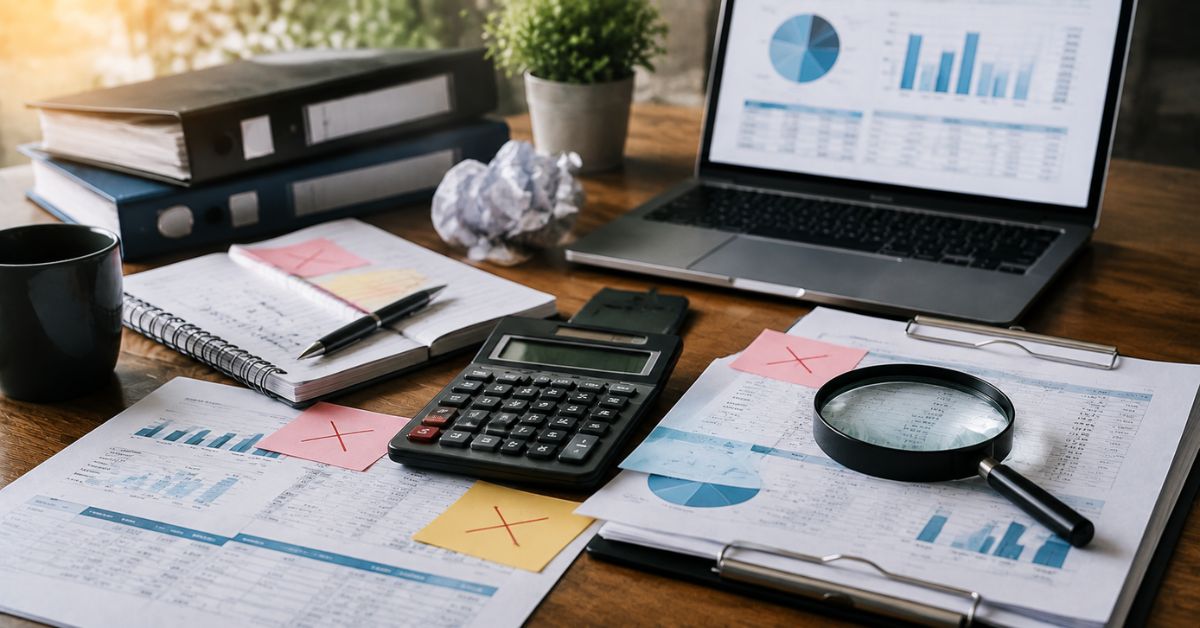
Managing finances is one of the most important responsibilities for any small business, but accounting is often an area where mistakes can easily happen. From poor record keeping to missed deadlines, small accounting errors can create bigger problems that affect cash flow, tax compliance, and business growth.
Many business owners focus on serving customers and increasing revenue, leaving financial management until later. However, inaccurate accounts can make it difficult to understand how the business is performing and can lead to decisions being made without reliable information.
By recognising common accounting mistakes early and putting the right systems in place, small businesses can maintain better financial control. Professional support, such as small business accounts services, can help ensure financial records remain accurate, organised, and compliant.
Failing to Keep Accurate Financial Records
Why poor record keeping creates business challenges
One of the most common accounting mistakes small businesses make is not maintaining accurate financial records throughout the year. Some business owners delay bookkeeping tasks or rely on memory to track expenses and income.
This can create problems when preparing accounts, calculating taxes, or reviewing business performance.
Poor records can make it difficult to:
- Understand actual profits
- Track business expenses
- Prepare accurate tax returns
- Identify financial problems early
For example, if a business owner forgets to record several expenses, they may believe the company is more profitable than it actually is, leading to poor budgeting decisions.
How to avoid this mistake
Create a regular bookkeeping routine by recording transactions consistently, keeping supporting documents, and reviewing financial information regularly. Maintaining accurate records throughout the year makes year-end accounting much easier.
Mixing Personal and Business Finances
Why separate accounts are essential
Many small business owners make the mistake of using personal accounts for business transactions, especially during the early stages of their company.
Although this may seem convenient, it creates confusion when trying to identify genuine business income and expenses.
Separating finances helps businesses:
- Track company performance more accurately
- Simplify bookkeeping
- Prepare accounts more efficiently
- Maintain professional financial records
For example, purchasing business equipment using a personal account can make expense tracking more complicated and may result in important transactions being overlooked.
How to avoid this mistake
Open a dedicated business bank account and use it for all company-related transactions. This creates clearer financial records and makes accounting management much easier.
Not Monitoring Cash Flow Regularly
Understanding the difference between profit and available cash
A business can be profitable but still experience cash flow problems. Many small businesses focus only on sales and profits without monitoring when money enters and leaves the business.
Cash flow problems can occur when:
- Customers delay payments
- Expenses increase unexpectedly
- Large bills are due before income is received
For example, a company may complete a large project and record strong revenue, but if the customer pays several months later, the business may struggle to cover immediate costs.
How to avoid this mistake
Regularly review cash flow reports and plan for upcoming payments. Understanding your available cash helps you make better decisions about spending, hiring, and investments.
Missing Tax Deadlines and Requirements
Avoiding unnecessary penalties and stress
Small businesses must meet various tax and reporting responsibilities in the UK. Missing deadlines or submitting incorrect information can result in penalties and additional pressure.
Common issues include:
- Late tax submissions
- Incorrect financial information
- Poor preparation before filing deadlines
- Missing important records
These problems often occur because business owners leave tax preparation until the last minute.
How to avoid this mistake
Keep financial records updated throughout the year and prepare well before deadlines. Working with professional accountants can help ensure submissions are accurate and completed on time.
Services such as Interface Accountants’ accounts support help businesses manage financial reporting and maintain compliance with accounting requirements.
Not Tracking Business Expenses Properly
Losing control over spending
Another common mistake is failing to record and categorise business expenses correctly. Small purchases may seem insignificant, but over time they can have a major impact on profitability.
Without proper expense tracking, businesses may struggle to understand:
- Where money is being spent
- Which costs are necessary
- Where savings can be made
For example, a business may have several small monthly subscriptions that are no longer useful but continue to reduce profits.
How to avoid this mistake
Keep receipts, invoices, and payment records organised. Review expenses regularly to identify unnecessary costs and improve financial efficiency.
Ignoring Financial Reports
Missing valuable insights from your accounts
Some small business owners view accounting reports as paperwork rather than useful business tools. However, financial reports provide important information about company performance.
Reports such as profit and loss statements and balance sheets can reveal:
- Changes in profitability
- Increasing costs
- Financial trends
- Opportunities for improvement
A business that reviews its financial reports regularly can identify challenges earlier and make more informed decisions.
How to avoid this mistake
Schedule regular financial reviews and use accounting information to guide business planning instead of only reviewing figures at year-end.
Choosing the Wrong Accounting System
Using processes that do not support business needs
Small businesses sometimes continue using manual spreadsheets or outdated systems even when their financial activity becomes more complex.
As a business grows, inefficient accounting processes can increase the risk of errors and make financial management more time-consuming.
A suitable accounting system can help with:
- Recording transactions efficiently
- Organising financial data
- Creating reports
- Reducing manual errors
How to avoid this mistake
Choose accounting tools that match the size and needs of your business. Professional accountants can also advise on suitable systems and help ensure records are managed correctly.
Trying to Handle Everything Without Professional Support
When expert guidance can make a difference
Many entrepreneurs attempt to manage all accounting responsibilities themselves to reduce costs. While basic bookkeeping may be manageable, complex financial decisions often require specialist knowledge.
Without professional advice, businesses may overlook important areas such as:
- Tax planning opportunities
- Financial risks
- Reporting requirements
- Growth planning
An accountant provides more than number management. They help business owners understand financial information and make better decisions.
How to avoid this mistake
Consider working with an accountant who can review your finances, maintain accurate records, and provide guidance as your business develops.
Building Better Accounting Habits for Long-Term Success
Creating a reliable financial routine
Avoiding accounting mistakes is easier when businesses create consistent financial processes.
Useful habits include:
- Reviewing finances monthly
- Keeping documents organised
- Updating records regularly
- Planning for tax payments
- Seeking advice before making major financial decisions
Strong accounting practices provide businesses with greater confidence and help owners focus on growth rather than fixing financial problems.
Conclusion
Accounting mistakes may seem small at first, but they can create significant challenges for small businesses over time. Poor records, missed deadlines, and weak financial monitoring can affect cash flow, compliance, and growth opportunities.
By maintaining accurate records, using effective systems, and seeking professional support when needed, small businesses can avoid common financial problems and build stronger foundations.
Good accounting is not only about avoiding mistakes; it is about gaining the financial clarity needed to make smarter decisions and achieve long-term success.
FAQs
What is the most common accounting mistake small businesses make?
Poor record keeping is one of the most common mistakes because it affects financial accuracy, tax preparation, and decision-making.
Why should businesses separate personal and business finances?
Separate finances make bookkeeping easier, improve accuracy, and provide a clearer view of business performance.
How often should a small business review its accounts?
Small businesses should ideally review their financial information monthly to monitor performance and identify issues early.
Can accounting mistakes affect tax payments?
Yes. Incorrect records or missed deadlines can lead to inaccurate tax submissions, penalties, or unnecessary costs.
Should small businesses hire an accountant?
Many small businesses benefit from professional accountants who provide accurate reporting, compliance support, and financial guidance.