
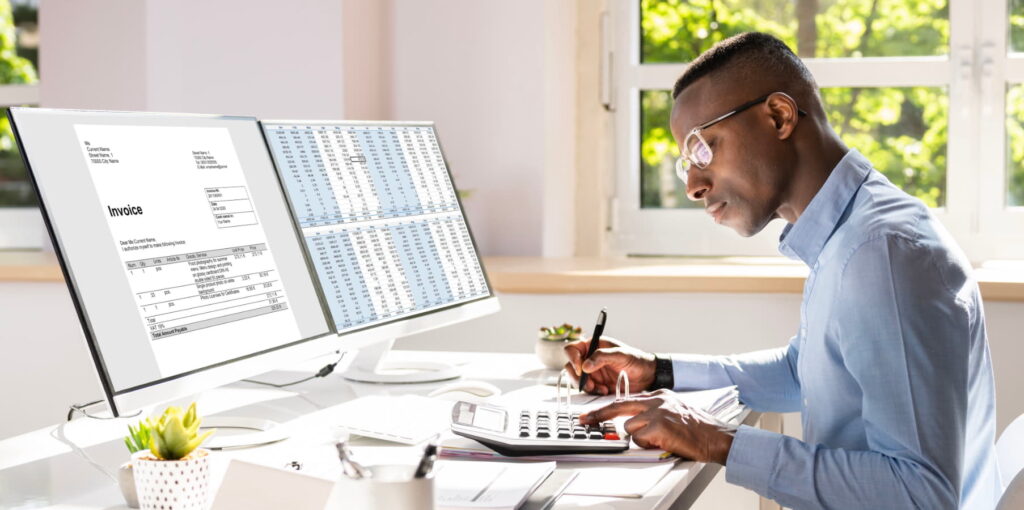
For many UK businesses, bookkeeping used to mean collecting receipts, updating spreadsheets and sending everything to an accountant shortly before a deadline. That approach is becoming harder to justify. Firms now need faster financial visibility, cleaner digital records, easier VAT reporting and better preparation for Making Tax Digital.
Cloud bookkeeping software has become central to this shift. It allows business owners and bookkeepers to work from the same live data, reduce manual entry, store documents digitally and keep records ready for tax submissions. This is especially important in the UK, where all VAT-registered businesses must use compatible software for Making Tax Digital for VAT and Making Tax Digital for Income Tax is being phased in from April 2026 for eligible sole traders and landlords.
For firms that want bookkeeping to support decisions rather than simply record history, cloud software is no longer just a convenience. It is becoming the practical foundation of modern financial management.
The UK Compliance Environment Is Moving Towards Digital Records
HMRC’s Making Tax Digital rules have pushed businesses away from manual bookkeeping and towards compatible software. For VAT, all VAT-registered businesses should now be signed up and must use compatible software to keep VAT records and file VAT returns.
The next major change is Making Tax Digital for Income Tax. Sole traders and landlords will need to use MTD for Income Tax if their qualifying income is above the relevant threshold: over £50,000 from 6 April 2026, over £30,000 from 6 April 2027 and over £20,000 from 6 April 2028.
This matters because cloud bookkeeping helps firms keep records in the format HMRC increasingly expects: structured, digital and easier to submit through approved software.
Limited Companies Also Face More Software-Led Filing
The move to software is not limited to sole traders and landlords. HMRC’s joint “File your accounts and Company Tax Return” online service closed on 31 March 2026, and from 1 April 2026 companies that previously used it should use commercial software to file annual accounts and Company Tax Returns with HMRC.
This does not mean every business must use the same software or abandon professional support. It does mean that bookkeeping systems need to connect more smoothly with accounts preparation, Corporation Tax filing, VAT returns and year-end reporting.
Cloud Bookkeeping Gives UK Firms Real-Time Financial Control
A traditional bookkeeping process often tells business owners what happened weeks or months ago. Cloud software changes that by allowing bank feeds, invoice tracking, expense capture and reporting to update more frequently.
For example, a small consultancy can see unpaid invoices before cash flow becomes tight. A retail business can monitor VAT liabilities during the quarter instead of waiting until the return is due. A contractor can track expenses while projects are still active, rather than trying to remember them later.
Modern bookkeeping is not only about recording transactions. It helps owners answer practical questions such as:
- Can we afford to hire someone this quarter?
- Which clients are paying late?
- Are margins improving or shrinking?
- How much VAT should we expect to pay?
- Are business expenses being recorded correctly?
This is one reason Interface Accountants highlights 24/7 software access as part of its bookkeeping process, allowing clients to stay informed about business performance after documents are processed.
Cloud Software Reduces Manual Errors and Repetitive Admin
Manual bookkeeping creates risk at every stage: typing invoice amounts, copying bank transactions, attaching receipts, calculating VAT codes, or transferring figures from one spreadsheet to another. Cloud platforms reduce some of that friction through bank feeds, receipt capture, recurring invoices and automated transaction matching.
HMRC’s VAT Notice explains that functional compatible software must be able to record and preserve digital records, provide information and returns to HMRC through APIs and receive information from HMRC. It also states that manually transferring data within or between software products is not acceptable where the information forms part of the electronic account.
That is why a good bookkeeping service does more than “enter data”. It builds a workflow where invoices, receipts, bank transactions, VAT codes and reports are handled in a controlled way.
Cloud Bookkeeping Creates a Clearer Audit Trail
When records are stored digitally, it becomes easier to trace a transaction from the bank feed to the invoice, receipt, VAT treatment and final report. This is useful if HMRC asks questions, but it is also helpful for internal management.
A strong audit trail can show:
- who uploaded or approved a document;
- when a transaction was processed;
- which VAT rate was applied;
- whether a receipt or invoice is attached;
- whether an item has been reconciled to the bank.
For growing firms, this level of structure becomes more important as more people become involved in spending, invoicing, payroll or supplier management.
Cloud Bookkeeping Supports Better Collaboration with Accountants
One of the biggest problems with spreadsheet-based bookkeeping is version control. The business owner may have one file, the bookkeeper another and the accountant a third. Cloud software reduces this problem because authorised users can access the same records.
This makes communication faster and more accurate. A bookkeeper can query a transaction directly. An accountant can review management reports before year-end. A business owner can check cash flow without asking someone to email a spreadsheet.
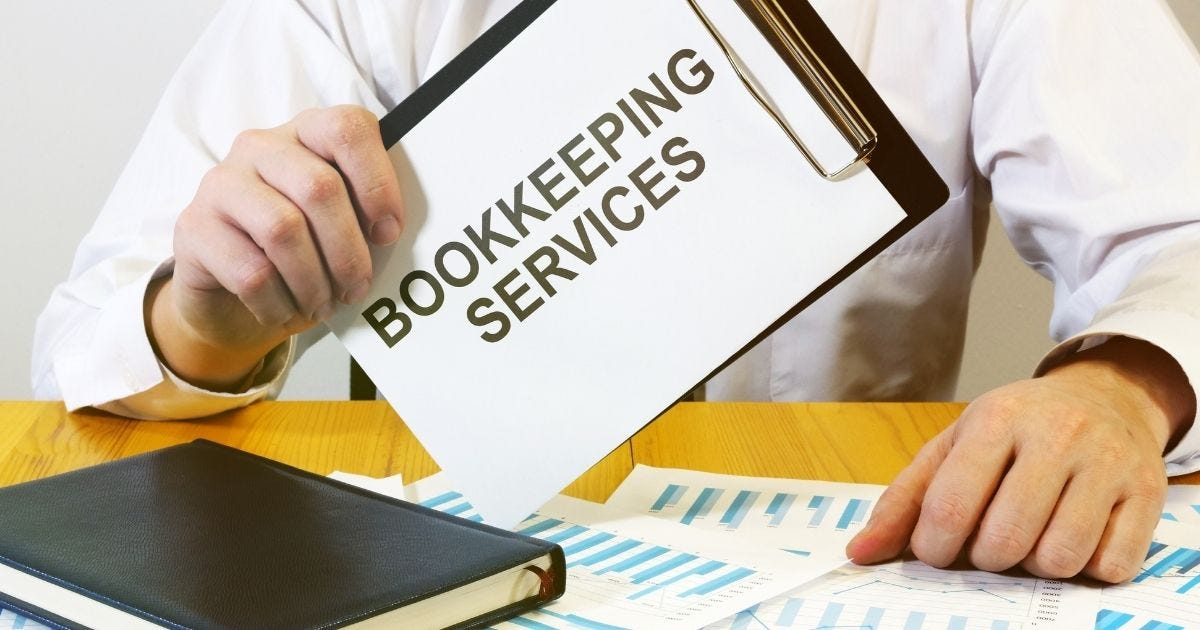
Interface Accountants’ bookkeeping page reflects this collaborative model by offering dedicated bookkeeper support, cloud-based bookkeeping software and customised services for different business needs.
It Helps Bookkeepers Provide Advice, Not Just Data Entry
When information is updated throughout the year, bookkeepers and accountants can identify issues earlier. They can spot unusual spending, missing receipts, weak margins, unpaid invoices or potential tax planning points before they become urgent.
For example, a business approaching the VAT registration threshold can be monitored more closely. A sole trader preparing for Making Tax Digital for Income Tax can start building digital habits before the legal start date. A limited company can keep director expenses and dividends cleaner throughout the year.
Cloud Software Fits the Needs of Different UK Business Types
Limited Companies
Limited companies need bookkeeping that supports directors’ loan accounts, payroll journals, VAT returns, Corporation Tax preparation, and annual accounts. Cloud software helps keep these records organised throughout the year rather than rebuilding them at year-end.
Sole Traders and Landlords
Sole traders and landlords affected by Making Tax Digital for Income Tax will need digital record keeping and quarterly updates through compatible software. HMRC says those in scope should prepare before they need to use the service, including choosing and authorising software or deciding how an agent will act for them.
E-Commerce Businesses
Online sellers often deal with multiple payment processors, marketplace fees, refunds, shipping costs, and foreign currency transactions. Cloud bookkeeping can connect with platforms and payment systems, helping reduce the risk of missing sales or double-counting income.
Contractors and Service Firms
Contractors and professional service firms benefit from accurate project income tracking, expense recording, VAT treatment, and invoice follow-up. Cloud systems make it easier to keep records clean even when work is spread across clients or locations.
Cloud Bookkeeping Is Especially Valuable for Small UK Firms
The UK business population is heavily weighted towards small firms. Government statistics for 2025 show 5.64 million small businesses with 0 to 49 employees, representing 99.18% of the total UK business population.
That matters because small businesses often have limited admin time. The owner may be handling sales, operations, hiring, customer service and bookkeeping at once. Cloud software helps reduce the admin burden by making everyday financial tasks easier to capture as they happen.
Instead of saving receipts in a drawer, the owner can upload them from a phone. Instead of waiting for bank statements, transactions can feed into the system. Instead of chasing paperwork at year-end, the bookkeeper can review records regularly.
Security and Access Control Matter More Than Ever
Cloud bookkeeping is not automatically secure just because it is digital. Firms still need strong passwords, multi-factor authentication, controlled user permissions, regular reviews of access and clear processes for handling sensitive financial data.
UK organisations using cloud systems must still think carefully about personal data responsibilities. Guidance for businesses notes that if personal data is stored or processed in the cloud, the organisation will most likely remain responsible for complying with UK GDPR.
For bookkeeping, this is particularly important because records may include customer details, supplier information, payroll data, bank transactions and tax documents.
Good Cloud Bookkeeping Uses Role-Based Access
A practical cloud setup should not give every user full access. A business owner may need reporting access. A bookkeeper may need transaction and reconciliation access. A payroll user may need payroll-specific permissions. An external adviser may need review access only.
This helps protect data while still allowing collaboration.
What Modern Cloud Bookkeeping Usually Includes
A professional cloud bookkeeping service may include several connected tasks rather than one isolated activity:
- Digital document collection for invoices, receipts, and supplier bills.
- Bank feed setup and transaction reconciliation.
- VAT coding and VAT return preparation.
- Debtor and creditor tracking.
- Monthly or quarterly management reports.
- Software support and bookkeeping process reviews.
- Preparation of cleaner records for year-end accounts and tax returns.
Interface Accountants’ page states that documents can be submitted online or by post, then processed using cloud-based bookkeeping software or other suitable software, with access and support afterwards.
Choosing the Right Cloud Bookkeeping Software
The Best Software Depends on the Business
There is no single best cloud bookkeeping platform for every UK firm. The right choice depends on business structure, VAT status, transaction volume, reporting needs, payroll requirements and whether the owner or accountant will manage most of the bookkeeping.
Interface Accountants lists cloud-based accounting software options including QuickBooks, Xero, FreeAgent and Sage.
When choosing software, firms should consider:
- whether it is compatible with relevant HMRC requirements;
- how easily it connects to bank accounts and payment platforms;
- whether it supports VAT, payroll, invoicing and expenses;
- how simple it is for the business owner to use;
- what level of accountant or bookkeeper access is available;
- whether the reporting is detailed enough for decision-making.
Software Alone Is Not the Full Solution
Cloud software is powerful, but it still needs correct setup and review. Poorly configured VAT codes, duplicated bank feeds, incorrect opening balances, or badly categorised expenses can create misleading reports.
That is why many firms use cloud software together with a professional bookkeeping service. The software handles speed and structure; the bookkeeper brings judgement, accuracy and compliance awareness.
Practical Example: How Cloud Bookkeeping Changes a Month-End Process
Imagine a small UK marketing agency. Under a manual system, the owner downloads bank statements, forwards receipts, updates invoices and asks the accountant to check everything at quarter-end.
With cloud bookkeeping, the process becomes more controlled:
- Sales invoices are raised in the software.
- Bank transactions feed into the system automatically.
- Receipts are uploaded as expenses happen.
- The bookkeeper reconciles transactions weekly or monthly.
- The owner checks a dashboard for cash flow and unpaid invoices.
- VAT figures are reviewed before submission.
- Year-end accounts are easier because records are already organised.
The main benefit is not just saving time. The owner has better information while decisions are still being made.
Common Mistakes Firms Should Avoid When Moving to Cloud Bookkeeping
Cloud bookkeeping works best when implementation is planned. Common mistakes include:
- choosing software only because it is popular, not because it fits the business;
- connecting bank feeds without checking opening balances;
- letting too many users have full access;
- failing to attach receipts and invoices consistently;
- treating automated transaction suggestions as always correct;
- not reviewing VAT codes before returns are submitted;
- ignoring reports until the tax deadline.
A well-managed bookkeeping service helps prevent these issues by setting rules, reviewing data regularly, and keeping records aligned with tax and reporting requirements.
Conclusion
Modern bookkeeping services use cloud software because UK firms need more than historical record keeping. They need accurate data, easier compliance, real-time visibility, stronger collaboration and better preparation for digital tax rules.
Making Tax Digital, software-led filing, and the growing need for timely financial information all point in the same direction: bookkeeping must be digital, organised and accessible. But the real value comes when cloud software is combined with professional oversight.
For UK businesses, the future of bookkeeping is not just about replacing paper with software. It is about building a financial system that supports better decisions throughout the year.
FAQs
Why do UK bookkeepers use cloud software?
UK bookkeepers use cloud software to keep records digital, improve accuracy, speed up reconciliation, support VAT and tax reporting and give business owners real-time access to financial information.
Is cloud bookkeeping required for Making Tax Digital?
For VAT-registered businesses, MTD requires compatible software for VAT records and VAT returns. MTD for Income Tax is also being phased in for eligible sole traders and landlords from April 2026.
Can small businesses still use spreadsheets?
Spreadsheets may still be used in some cases, but for MTD they usually need compatible or bridging software to submit information digitally to HMRC.
Which cloud bookkeeping software is best in the UK?
The best option depends on the business. Popular choices include Xero, QuickBooks, FreeAgent, and Sage, but the right software should match the firm’s VAT, payroll, invoicing, reporting and compliance needs.
Do I still need a bookkeeper if I use cloud software?
Yes, many businesses still benefit from a bookkeeper. Software can automate tasks, but a bookkeeper checks accuracy, reviews VAT codes, reconciles accounts, identifies issues and keeps records ready for tax deadlines.